
Introduction
Over the last two decades, sport science has fundamentally changed how elite athletes train, recover, and perform. Olympic programs and professional sports teams once reserved these tools, including workload monitoring, recovery tracking, force plate testing, and physiological readiness assessments, but wearables and consumer technology now make them increasingly accessible to the general population.
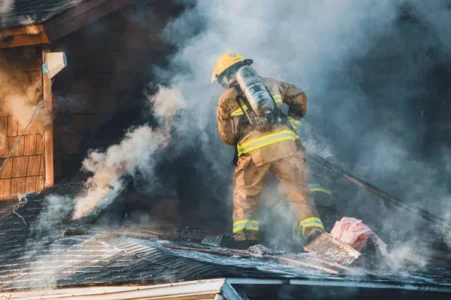
Tactical organizations have also increasingly adopted sport science principles and integrated human performance professionals to mitigate injury risk and improve performance. Practitioners often describe firefighters, law enforcement officers, and military personnel as “occupational athletes” because of the physical and physiological demands of their work (Smith, 2011). Like athletes, they require strength, endurance, resilience, and decision-making under fatigue. Unlike athletes, they operate in unpredictable environments shaped by shift work, sleep disruption, environmental stress, and emergency settings.
The challenge is no longer deciding whether sport science principles can benefit tactical populations. The challenge is determining best practices for adapting these principles to environments that differ dramatically from professional athletics. Organizations should prioritize technology and performance principles that help individuals and human performance professionals make real-time decisions to improve readiness, recovery, and long-term health in practical ways.
What Does Sport Science Offer Tactical Populations?
Sport science has become exceptionally effective at solving one central problem: how to maximize performance while minimizing unnecessary fatigue, injury risk, and performance decline over time. Many of those same principles can provide meaningful value to tactical populations when applied appropriately.
Monitoring Tools: Making Physiological Stress Visible
One of the biggest advancements in modern sport science has been the ability to monitor physiological stress and recovery in real time. In tactical settings, this may be even more valuable because police officers, firefighters, and other first responders often normalize fatigue as part of the profession.
Wearables such as systems from WHOOP, Garmin, Apple, and Oura now allow individuals and coaches to monitor:
- Sleep duration and sleep quality.
- Resting heart rate trends.
- Heart rate variability (HRV).
- Recovery status.
- Estimated aerobic fitness and VO2 max trends.
- Training load and exertion patterns.
For tactical operators, these metrics can become powerful educational tools. For example, a firefighter coming off a busy 24-hour shift may objectively see an elevated resting heart rate, suppressed recovery metrics, or accumulated sleep debt. That information can help guide immediate decisions regarding hydration, recovery, training intensity, and overall workload management.
Consumer technology has also improved access to cardiovascular fitness monitoring. Applications such as Apple Health can now estimate VO2 max trends over time. For tactical populations, this matters because aerobic fitness often declines gradually without notice, particularly during periods of stress, injury, or reduced training consistency.
Monitoring cardiovascular fitness becomes especially important because many tactical professions require high levels of aerobic fitness, while data suggest that many firefighters do not possess high aerobic or anaerobic capacity. Smith and colleagues (2011) reported that firefighters require high levels of aerobic fitness to safely perform occupational tasks, especially since cardiovascular disease remains one of the leading contributors to firefighter line-of-duty deaths in the United States, with sudden cardiac events consistently representing a substantial proportion of annual fatalities. Monitoring trends in cardiovascular health may therefore allow individuals to identify declines before they become operationally or medically significant.
However, subjective monitoring of readiness still matters. Research has shown that self-reported wellness questionnaires can provide meaningful insights into fatigue and readiness status, particularly when combined with objective measures like HRV or workload data (Saw et al., 2016). Rather than viewing objective and subjective measures as competing approaches, high-performance systems increasingly use both together to create a more complete picture of readiness.

O2X Subjective Daily Readiness Questionnaire Data
Performance Frameworks: From Random Workouts to Structured Systems
Elite sporting organizations rarely rely on random training methodologies. Coaches typically organize training to drive adaptation, meet game demands, manage workload, support recovery capacity, and promote long-term performance development (Halson, 2014). Given the high physiological demands and risks associated with tactical professions, applying similar training principles provides significant benefits.
Historically, many tactical fitness programs have emphasized intensity without always considering recovery or long-term adaptation. One of the most valuable lessons from athletics is that training should support performance, not simply create fatigue. Creating a “hard” training session is easy; developing an effective one takes expertise. While hard training remains important, sport science has shown that performance improves most effectively when training stress is applied strategically rather than continuously (Soligard et al., 2016). This principle becomes especially important in tactical settings where personnel must remain operationally ready regardless of how demanding their last workout was.
Tactical athletes require concurrent development of strength, power, aerobic capacity, and durability because their occupations require them to demonstrate multiple physical qualities simultaneously:
- Strength for lifting, dragging, and carrying.
- Power for explosive movement and rapid task execution.
- Aerobic fitness for sustained operations and recovery between bouts.
- Durability and resilience to tolerate repetitive occupational stress.
Heart rate monitoring, for example, can help individuals better understand training intensity distribution and aerobic conditioning efforts. Many firefighters unknowingly spend the majority of their conditioning sessions in excessively high-intensity zones, limiting aerobic adaptation and creating unnecessary fatigue.
Likewise, force plate technology is becoming increasingly useful in tactical performance environments that have dedicated human performance staff. Systems capable of monitoring countermovement jump performance, reactive strength index (RSI), jump momentum, and asymmetries can provide insight into neuromuscular fatigue and recovery status (Claudino et al., 2017).
In my experience using force plate technology and subjective wellness questionnaires in controlled recruit training environments, these systems excel at identifying trends in readiness before performance decrements become operationally obvious. For example, a recruit who presents with decreased RSI, elevated soreness scores, and poor sleep trends may demonstrate accumulated fatigue that requires modified training or additional recovery to reduce injury risk.

ACFD Force Plate Testing
This technology does not replace coaching judgment.
The value lies in providing additional context to improve decision-making.
Recovery Strategies: Technology as a Behavioral Change Tool
In athletics, recovery is no longer passive rest. Teams treat recovery as an active component of performance preparation, requiring athletes and human performance staff to plan and prioritize recovery. Tactical populations face unique recovery challenges due to:
- Shift work.
- Unpredictable performance demands.
- Sleep disruption.
- Heat exposure.
- Psychological stress.
- Secondary employment.
Research has shown that sleep deprivation negatively affects cognitive performance, reaction time, physical output, and recovery capacity (Fullagar et al., 2015). Technology can help individuals better understand how these factors influence their physiology. For many tactical operators, wearable technology becomes valuable not because it provides perfect physiological insight, but because it changes behavior. Seeing objective evidence of poor sleep, elevated stress markers, or declining recovery often makes recovery strategies more actionable.
For example, a police officer who consistently sees impaired recovery metrics after consuming alcohol, sleeping poorly, or training excessively hard post-shift may begin modifying those behaviors voluntarily. Likewise, seeing improvements in recovery after prioritizing hydration, aerobic conditioning, or sleep hygiene can reinforce positive behavioral changes.
The most effective recovery technologies are often the ones that improve awareness and encourage consistency rather than simply generating large amounts of data.
What Challenges Exist When Translating Sport Science?
Despite the potential benefits, translating sport science into tactical environments is not always straightforward. Given the environmental, financial, and cultural differences between sporting organizations and tactical agencies, not all monitoring systems make sense for practical implementation.
Environmental Differences: Tactical Performance Is Less Predictable
While professional athletes generally operate within relatively controlled schedules, tactical populations do not. A professional soccer player typically knows when training sessions and, most importantly, competitions occur. Firefighters may transition from sleeping to maximal exertion within minutes during a nighttime structure fire. Law enforcement officers may experience sudden surges in physiological stress without warning. Military personnel may operate under prolonged sleep deprivation and environmental extremes.
These dynamic occupational realities complicate performance monitoring. Operational stressors unrelated to training can heavily influence metrics such as HRV, readiness scores, or neuromuscular testing. This complexity does not make the technology useless, but it does require contextual interpretation.
Tactical environments also involve additional physiological stressors:
- Personal protective equipment increases thermal strain.
- Physical confrontation and threat exposure increase physiological stress.
- Smoke exposure affects the respiratory and cardiovascular systems.
- Shift work disrupts circadian rhythms.
- Psychological stress is often cumulative.
- Operational tempo fluctuates unpredictably.
Research has consistently shown that firefighting tasks place substantial cardiovascular and thermoregulatory stress on personnel (Rodriguez-Marroyo et al., 2021). Because of these physiological demands, tactical performance systems in these workforces must prioritize adaptability rather than perfect optimization to mitigate risks associated with the rapid accumulation of fatigue.
Resource Limitations: Technology Without Infrastructure Has Limited Value
Another challenge is that many departments lack the staffing, funding, or infrastructure needed to support advanced monitoring systems effectively.
Professional sports organizations often employ:
- Sport scientists.
- Strength and conditioning coaches.
- Athletic trainers.
- Dietitians.
- Mental performance coaches.
Technology works most effectively when qualified personnel can interpret the information and translate it into actionable decisions. A force plate or wearable dashboard alone does not improve performance. The value comes from understanding what the data mean within the operational context and using those insights to inform operational and training decisions. Departments considering investments in performance technology should focus not only on equipment acquisition but also on education, staffing, implementation strategy, and clear expectations regarding data ownership, use, and confidentiality to maintain trust and encourage participation.
Population Variability: Tactical Athletes Are Not Uniform
Another challenge is the diversity within tactical populations compared with sports populations. Research demonstrates substantial variability in body composition, fitness levels, and readiness profiles across firefighter and law enforcement populations (Poston et al., 2011; Can & Hendy, 2014), reinforcing the need for individualized monitoring approaches.
Tactical agencies may include:
- Young recruits.
- Veteran operators nearing retirement.
- Highly trained individuals.
- Personnel returning from injury.
- Members working second jobs.
- Individuals with widely varying recovery capacities.
This variability complicates standardized or “one-size-fits-all” programming and monitoring. A wearable recovery score that is useful for one operator may be less meaningful for another. Likewise, force plate outputs and HRV trends must be interpreted relative to individual baselines rather than universal standards. Successful tactical performance programs recognize that technology should support individualized decision-making rather than create rigid pass/fail systems.
Practical Applications
What Technology Is Useful for the Tactical Athlete?
For individuals in tactical professions, the most valuable technologies are often the ones that improve awareness and encourage healthier behaviors. Remember, the goal is not to obsess over metrics but to improve self-awareness and foster long-term health management.
Wearables can help individuals:
- Monitor sleep consistency.
- Track recovery trends.
- Identify accumulated fatigue.
- Monitor fitness changes.
- Better regulate training intensity.
Heart rate monitors can also improve conditioning quality by helping individuals train within appropriate intensity zones rather than relying solely on perceived effort or keeping up with the rest of the group.
Likewise, monitoring VO2 max trends through wearable platforms may help identify declines in cardiovascular fitness before operational performance deteriorates significantly. In addition to the long-term health benefits, higher aerobic fitness levels correlate with improved occupational task performance in firefighters (Michaelides et al., 2011). Consistently educating individuals about aerobic fitness trends may therefore provide significant health and operational performance benefits.
What Technology Is Useful for the Coach?
Technology adoption should follow a question-first approach. Programs should first define which areas of health, safety, and performance they aim to improve before selecting monitoring tools. For departments with dedicated human performance staff, more advanced monitoring systems may provide substantial additional value.
For example, force plates can assist with:
- Neuromuscular fatigue monitoring.
- Return-to-work assessments.
- Lower-body power testing.
- Monitoring asymmetries.
- Tracking training adaptation over time.
Physiological monitoring during live-fire evolutions, training sessions, or rehabilitation sessions may also provide greater objective insight into cardiovascular strain and hydration status and help prevent injury or illness. Objective monitoring can be particularly valuable in rehabilitation and return-to-duty settings. Tracking heart rate recovery, body composition, workload tolerance, and neuromuscular readiness may help practitioners create better-informed progression strategies rather than rely solely on time-based protocols.
The best performance systems rarely rely on a single metric. High-quality tactical performance programs typically combine the following to make well-informed decisions about operational workloads:
- Technology for objective monitoring.
- Subjective wellness questionnaires.
- Coaching observation.
- Operational workload context.
- Individual communication.
Summary
Tactical populations are entering the same technological evolution that professional sports experienced years ago. Wearables, force plates, physiological monitoring, and recovery tracking are becoming more accessible and relevant to firefighter health and performance.
The goal is not to turn these populations into professional athletes. The goal is to use technology and sport science principles to improve operational readiness, recovery, resilience, and long-term health outcomes.
The departments that benefit most from this evolution will likely not be the ones with the most advanced technology. They will be the departments that use technology strategically, educate their personnel effectively, create shared ownership of health and safety practices, and integrate performance principles into the realities of tactical work.
When applied appropriately, sport science does not remove the human element from tactical performance. Sport science strengthens the human element.
References
- Can SH and Hendy, HM. Behavioral variables associated with obesity in police officers. Industrial Health. 2014;52(3):240–247.
- Claudino JG, Cronin J, Mezêncio B, et al. The countermovement jump to monitor neuromuscular status: a meta-analysis. Journal of Science and Medicine in Sport. 2017;20(4):397–402.
- Fullagar HHK, Skorski S, Duffield R, et al. Sleep and athletic performance: the effects of sleep loss on exercise performance, and physiological and cognitive responses to exercise. Sports Medicine. 2015;45(2):161–186.
- Halson SL. Monitoring training load to understand fatigue in athletes. Sports Medicine. 2014;44(Suppl 2):S139–S147.
- Michaelides MA, Parpa KM, Henry LJ, et al. Assessment of physical fitness aspects and their relationship to firefighters’ job abilities. Journal of Strength and Conditioning Research. 2011;25(4):956–965.
- Poston WSC, Haddock CK, Jahnke SA, et al. The prevalence of overweight, obesity, and substandard fitness in a population-based firefighter cohort. Journal of Occupational and Environmental Medicine. 2011;53(3):266–273.
- Rodriguez-Marroyo JA, et al. Physiological demands of firefighting tasks: systematic review. Ergonomics. 2021.
- Saw AE, Main LC, Gastin PB. Monitoring the athlete training response: subjective self-reported measures trump commonly used objective measures. British Journal of Sports Medicine. 2016;50(5):281–291.
- Smith DL. Firefighter fitness: improving performance and preventing injuries and fatalities. Current Sports Medicine Reports. 2011;10(3):167–172.
- Soligard T, Schwellnus M, Alonso JM, et al. How much is too much? International Olympic Committee consensus statement on load in sport and risk of injury. British Journal of Sports Medicine. 2016;50(17):1030–1041.
The post Translating Sport Science to Tactical Populations appeared first on SimpliFaster.